One of the biggest events in Australian home solar will formally kick off tomorrow, but the federal government battery rebate has already made some major changes to the local market.
In early April, Labor announced it would roll out a national battery rebate should it win the election, and since doing so has been scrambling to get its ducks lined up for the launch on July 1 tomorrow. Last week, the Albanese Government finalised necessary amendments to regulations needed to the get the $2.3bn Cheaper Home Batteries Program in place.
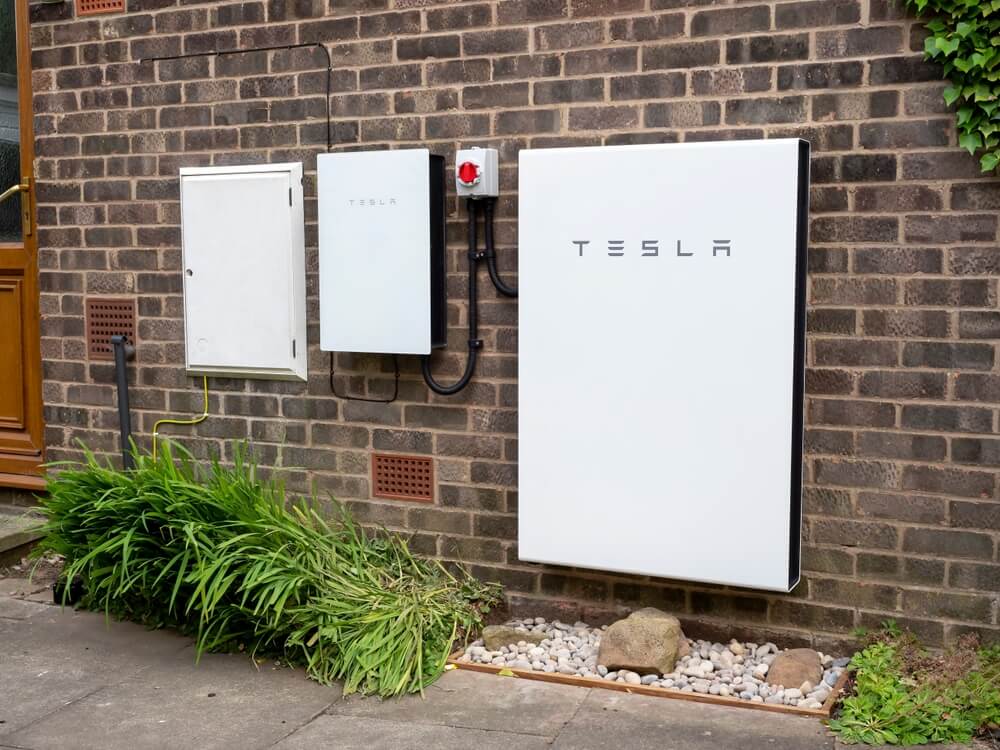
But even prior to this, Australian solar power system owners were getting quotes and having batteries installed after the industry was reassured they could do so and still get the rebate as long as the battery wasn’t switched on prior to July 1. This allowance was to help avoid a “valley of death” for the industry whereby sales enquiries would have dried up between Labor’s election victory and the official start of the program.
The road to this point hasn’t been smooth and given all the moving parts involved, it would have been a surprise if it was. For example, the aim was to make the national government battery rebate “stackable” with state schemes; but various programs ended or were changed. Along with some tweaks to the federal scheme, this led to some battery rebate backlash and disappointed buyers seeking cancellations and deposit refunds.
But even given the hiccups and confusion — not to mention some poor behaviour from a minority of solar businesses and buyers alike — to say there has been great interest in the scheme would be an understatement. Here at SolarQuotes, we’ve processed tens of thousands of home battery quotes in the past few months; matching prospective buyers to trusted pre-vetted installers.
Battery Buyer Economic Priorities
One of the questions SolarQuotes asks on its quoting form is:
“Economically speaking, which battery feature is most important to you?”
It’s a tick-and-flick question with one of three possible responses:
- Lowest bills.
- Quickest payback time.
- Blackout protection.
A battery that will result in the lowest electricity bills isn’t necessarily the one that will give you the fastest payback, and vice versa. For example, a bigger battery to cover a worst-case night-time consumption scenario can push out payback time.
The results have been very interesting. Based on submissions from May 5 to June 28, 2025:
- 39% said lowest bills was most important.
- 17% chose quickest payback time.
- 43% selected blackout protection.
Blackouts can mean big financial loss for some — for example, for businesses in terms of perished goods or downtime. But obviously many prospective home battery buyers put significant dollar value on this aspect as well, even though the mains grid in Australia is (generally speaking) very reliable1.
Battery Installs Eclipses Solar-Only
On most days in the past few months, SolarQuotes has seen the number of quote submissions for battery upgrades and solar + battery installs bypass the total of solar-only submissions for the day. A recent report from solar energy consultants SunWiz indicates our experience hasn’t been an isolated one.
SunWiz says last month saw more battery than PV systems sold in a single month in Australia for the first time. There were 1.4 battery systems for every solar system, and all states and territories have seen major spikes in attachment rates with the exception of Tasmania.
Also:
- The average battery size (capacity) jumped to 15 kilowatt-hours (kWh) in May, which was well above the typical 10kWh.
- Brands that are easy to retrofit into existing PV systems are being favoured.
“Retailers will eventually pivot back to outbound PV+ESS sales — but today’s inbound demand is dominated by retrofit buyers,” says SunWiz founder Warwick Johnston.
And that’s not surprising given more than 4 million solar systems have been installed across Australia to date. While these systems are saving their owners a bundle of cash during the day, during the evening and overnight are a different story without a battery — particularly with the increase in prevalence of Time of Use (ToU) electricity plans that have much higher consumption rates during peak pricing periods.
If you’re still mulling over whether residential energy storage is right for you, check out our comprehensive home battery guide. And you can stay up-to-date with all the latest developments related to the battery rebate by subscribing to the SolarQuotes weekly newsletter, delivered to your inbox each Tuesday.